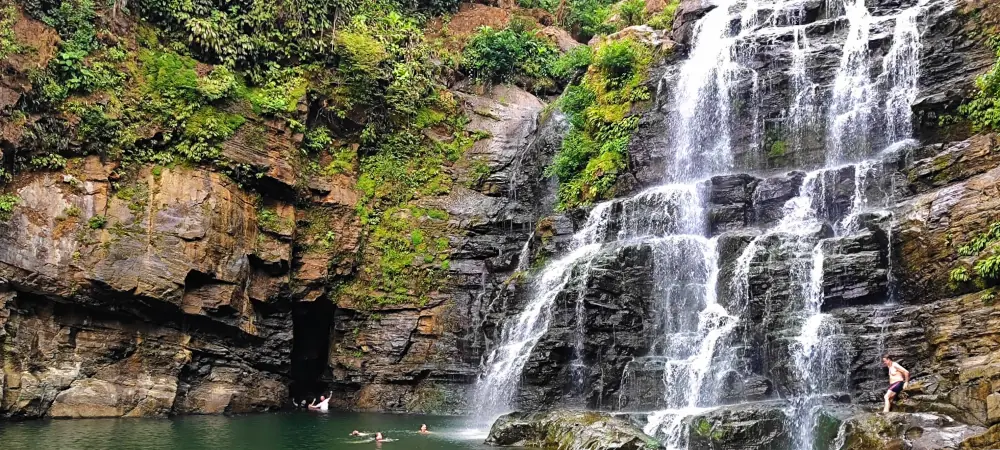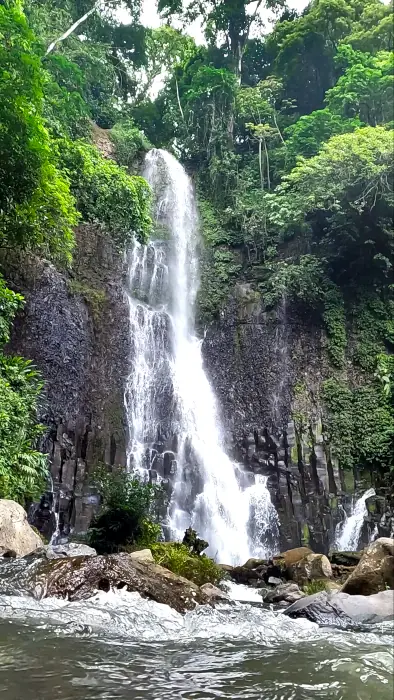
In the south of Costa Rica, on the border with Panama, lies a valley full of natural riches: Coto Brus, where rivers, mountains and forests coexist in a temperate climate.
Key points
- Coto Brus is canton number 8 of the province of Puntarenas: around 44,000 inhabitants in 944 km², on the border with Panama.
- Long hard to reach, the area was settled in the 20th century, with the Italian colonization of 1951 and the rise of coffee.
- San Vito, founded by Vito Sansonetti, has the services: banks, dentists, mechanic shops and even a hospital.
- Things to do: cloud forest, coffee tours, the hot springs of Agua Caliente, Cerro Pittier and Las Tablas, reached by a mud and gravel road.
- Our South Tour makes a stop in the area.
In the south of Costa Rica, on the border with Panama, lies a valley full of natural riches. Rivers, mountains and forests coexist in a temperate climate, along with a small community of Costa Ricans.
Around 44,000 inhabitants, in an area of 944 square kilometers, enjoy these blessings thanks to a geography that has been difficult to conquer. This place is called Coto Brus, canton number 8 of the province of Puntarenas.
In this article, we will explain why Coto Brus is part of our South Tour and some of the special places we will find there.
The Coto Brus valley
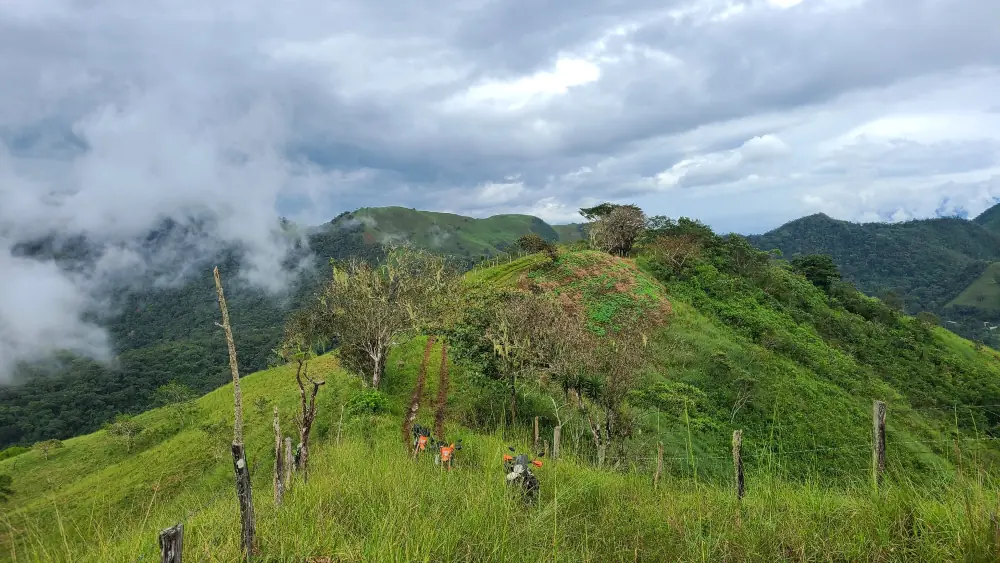
To the east are the mountains of the Cordillera Central Sur, with peaks that reach 2,000 to 3,500 meters, such as Pico Blanco, at 3,560 meters, from which you can see both oceans.
As you travel east, you will find depressions between the steep mountain slopes, created by the hundreds of streams and rivers that run down them. This has made building roads and bridges to reach the Coto Brus valley very difficult.
The area was only conquered in the 20th century. An Indigenous people, the Boruca, inhabited the area and, taking advantage of the difficult access, lived in peace for centuries. However, almost the entire area was uninhabited by the beginning of the 20th century.
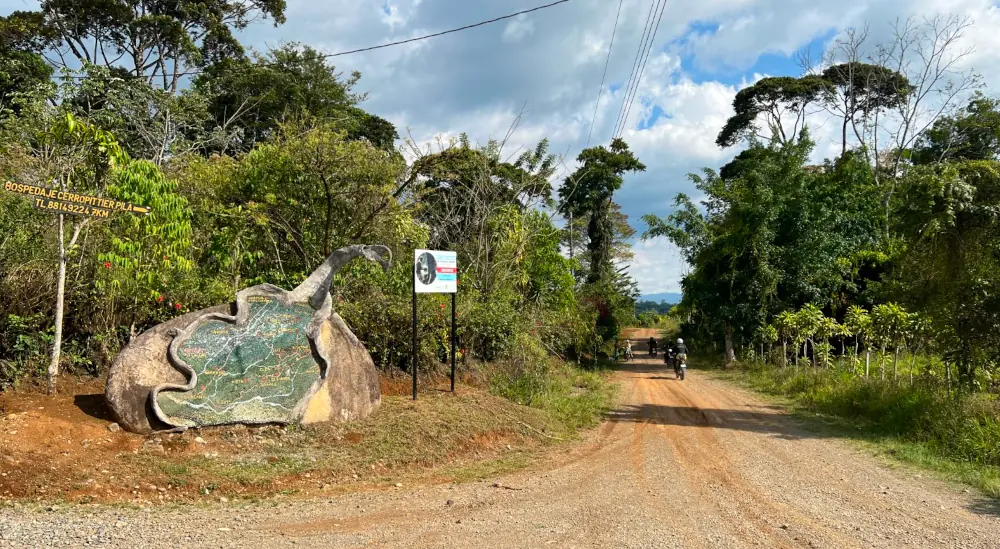
Coto Brus canton begins to take shape
During the second decade of the 20th century, the first Costa Rican families began to arrive, attracted by the promise of new land. However, before this colonization, a small war was fought between Panama and Costa Rica. The Costa Ricans found a small village under the jurisdiction of the neighboring country. According to Costa Rica, that village was in Costa Rican territory under a previous treaty, the White Award.
The war ended quickly with the signing of a treaty that returned Bocas del Toro to Panama and Coto Brus to Costa Rica.
In 1940, the first families settled in the area, seeking to be part of the jobs generated by the construction of the Inter-American Highway.
In 1951, the famous Italian colonization took place. The SICA company brought a group of families from that country who, together with Costa Rican families, developed the industry that would make Coto Brus a prosperous canton: coffee!
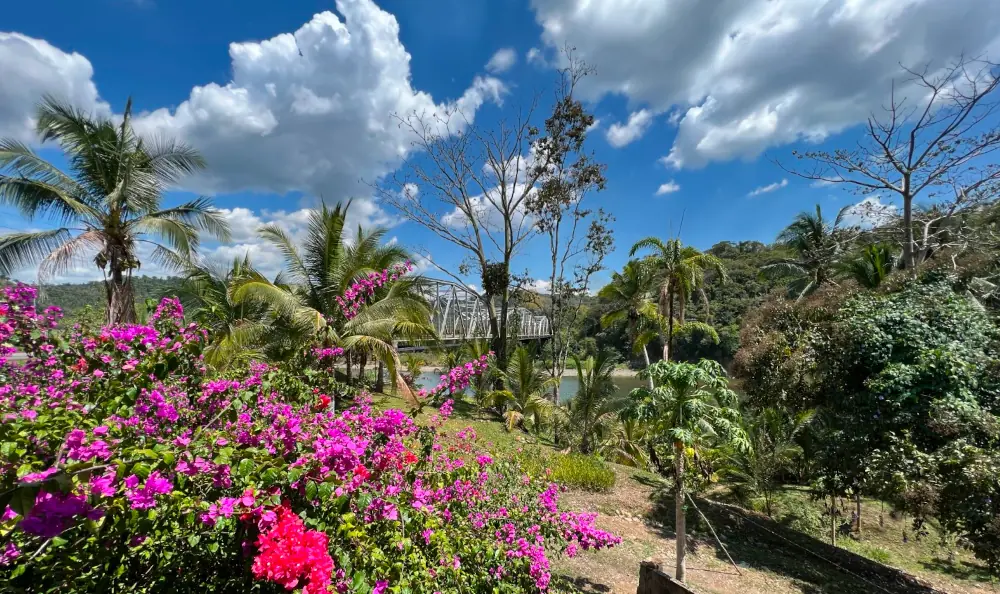
Coto Brus today
Growth was slow: with the lack of roads and infrastructure, exporting products to other areas was difficult. It was not until December 10, 1965 that the area became the canton of Coto Brus.
In 1982, there were already 10,000 inhabitants. The founding of San Vito contributed a lot to the development: the town founded by Vito Sansonetti made it possible to centralize the exchange of products and services in the canton.
Thanks to the creation of an airfield, access to the area has become easier, especially for tourists.
The area is relatively new to tourism. But this has allowed the hotels to be more artisanal, offering unique experiences to selective clients who shun mega-hotels.
What to do in the area
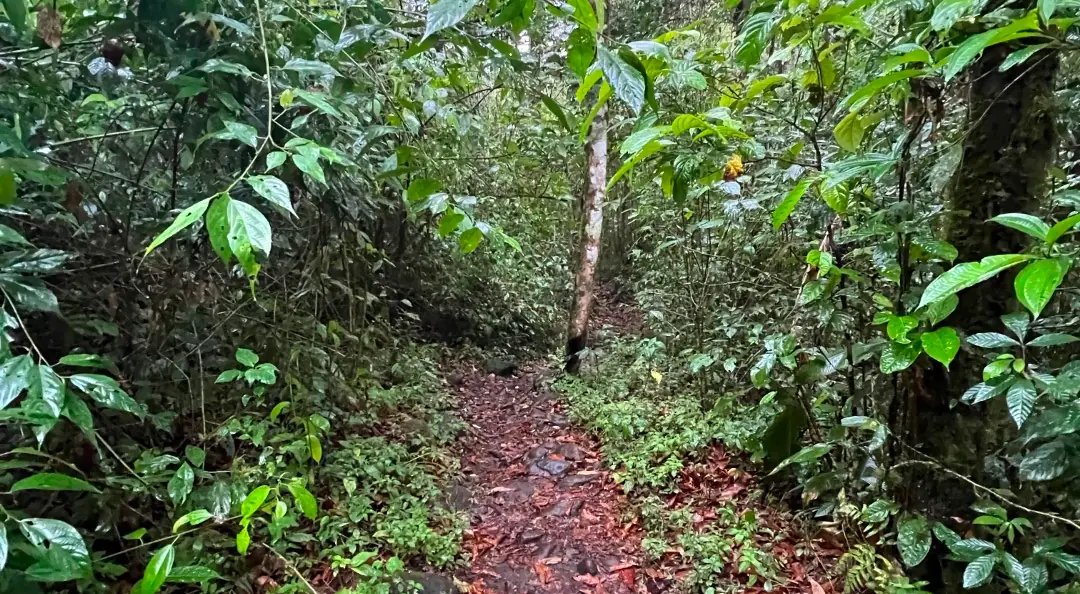
Despite the presence of coffee farms, most of the area is still cloud forest. This guarantees sightings of rare species of animals and plants.
There are also coffee tours: farm owners set up hotels on their properties and offer interesting tours about coffee production and the history of the canton.
The hot springs up the Cotón River have created a small hotel industry near the community of Agua Caliente. Further north, Cerro Pittier is a must for those who love hiking.
There are many protected areas, such as Las Tablas, a special area that protects a very important montane rainforest. It is great for off-road enthusiasts, as the access is a mud and gravel road through forests and rivers.
Communities like Altura de Cotón will delight those looking for beautiful rural villages that live in harmony with the surrounding forest.
Conclusion
Coto Brus is tourism for connoisseurs, people looking for genuine experiences, without artificial ingredients. Unique places that remain untouched. Places that have survived the passage of time, maintaining their traditions, culture and character.
A land of farmers, ranchers, artisans and lovers of the land.
If you need any services, you can find banks, dentists, mechanic shops and even a hospital in the town of San Vito. There are also public and private health services in the district capitals.
If you want to explore this beautiful area, remember that our South Tour makes a stop here. The South Tour
If you want a more in-depth exploration, we can customize a motorcycle tour to your liking. Free Ride, our custom tour
For more information about our motorcycle tours in Costa Rica, Nicaragua and Panama, get in touch. Contact us
Source: to learn more about the history of Coto Brus and other things, visit the website of the municipality (local government). Municipality of Coto Brus: history of the canton
Disclaimer: this is content created by a human being, to help and guide other human beings with reliable first-hand information.