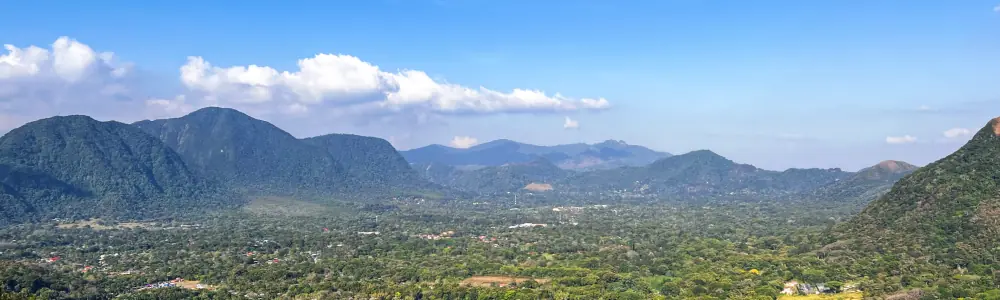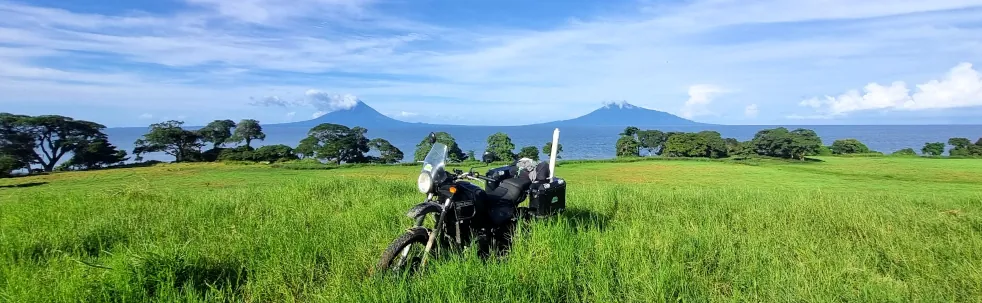
The first Spanish settlers left the coast for the Central Valley, today Costa Rica's Metropolitan Area. Many tourists neglect it, and miss some good spots.
Key points
- Finding the coast unstable (floods, hurricanes), the first Spanish settlers moved to the Central Valley and founded Cartago, the capital until 1823.
- Protected from hurricanes by the mountains, with a cool climate and fertile soil, the valley became the most populated area in the country.
- In the 20th century, it became the “Gran Área Metropolitana”, home to most of the country's industry and to the international airport, near Alajuela.
- The parks of San José, Alajuela and Heredia, small towns like Grecia or Orosi: good stops on the way to the Poás, Irazú, Turrialba and Barva volcanoes.
- Local pulperías and cafés are way cheaper than the traditional tourist destinations.
Costa Rica has a very curious geographical distribution. The country is bathed by two oceans, and some would consider this a blessing good enough to build their cities near the coast. However, the first Spanish settlers considered the coast unstable, mostly because natural disasters like floods and hurricanes affected the first settlements.
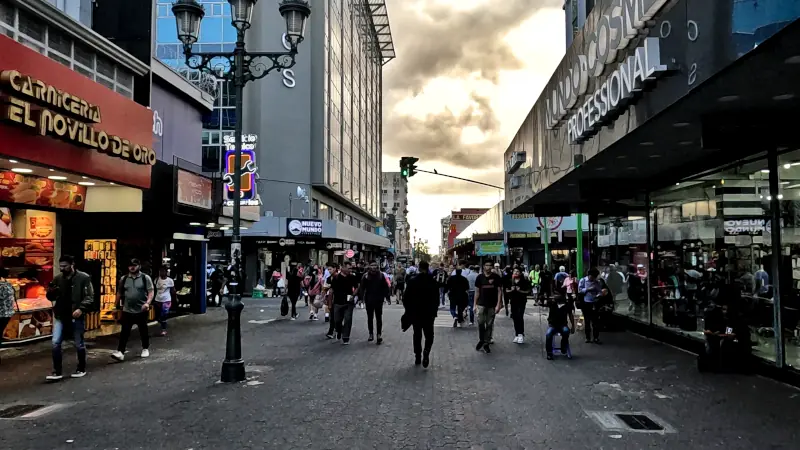
The colonization of the Central Valley
The first colonizers decided to explore further inland and found what we now know as the “Central Valley”. There they founded the first successful settlement, Cartago, which later became the capital city of Costa Rica for 250 years, until 1823.
Surrounded by mountains and with many rivers crossing the land, the Central Valley became the right place for settlers. The mountains protect the area from hurricanes and the weather is cool, in contrast to the hot, humid areas. The soil is fertile. This allowed townspeople to farm and raise cattle, vital for settlements to survive and towns to thrive.
More villages and towns were founded in this area, making it the most populated one in the country ever since.
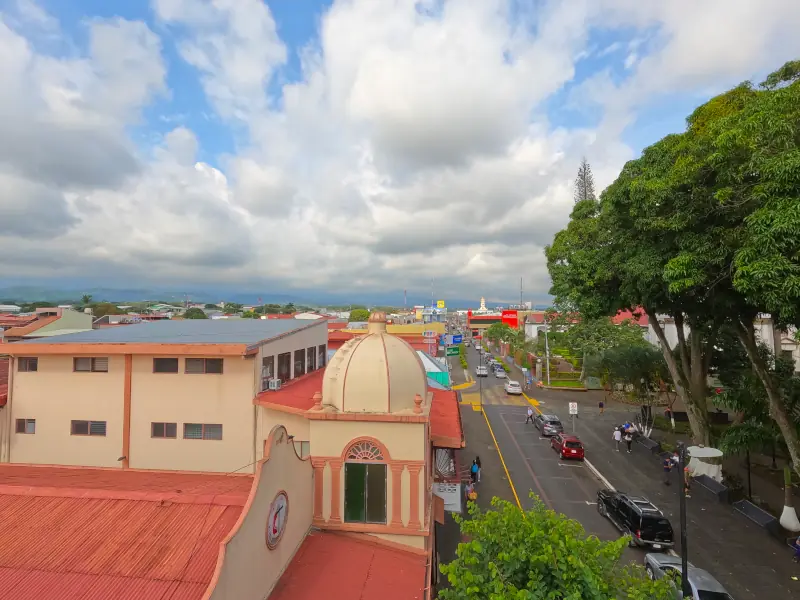
The modernization of the Central Valley
It was during the 20th century that locals started to call this valley the “Gran Área Metropolitana”, in English the Metropolitan Area, because most of the country's industry was, and still is, established here.
The first international airport was built there, near Alajuela. Since then, most tourists have arrived in the country at this airport, but many of them neglect the Metropolitan Area because Costa Rica's tourism authorities rarely promote it.
Reasons to stay around the Metropolitan Area for a while
You are missing some good spots if you decide to skip this area to go straight to the beaches.
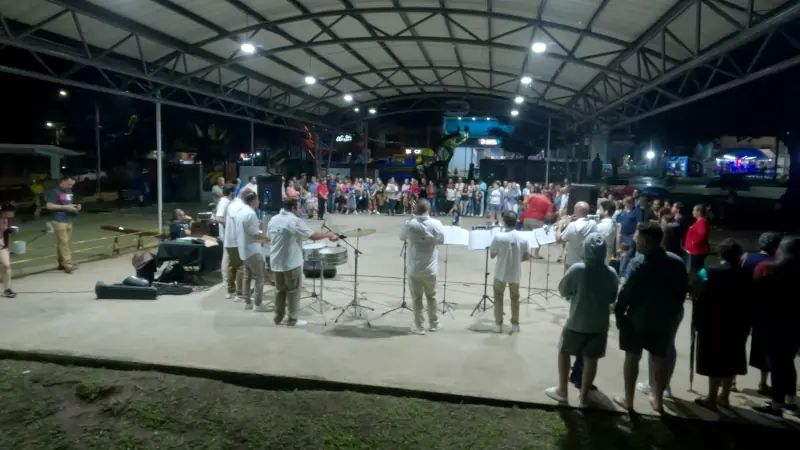
If you want to get a glimpse of Costa Rica's popular culture, you can visit the parks of San José, Alajuela and Heredia. Some of them are nice, others not so much. Some of these parks have statues of important people in the history of the country.
Smaller towns like Ciudad Colón, Santa Ana, Barva, Grecia, Poás and Orosi, among others, are charming. They are on the way to attractive tourist spots, so you can spend a while in those towns for a drink or a meal.
As we mentioned before, a mountain range surrounds the valley. Many of these mountains are volcanoes inside national parks: we have the Poás, Irazú, Turrialba and Barva volcanoes.
Earlier we mentioned towns you need to pass through to get to other attractions. To get to Poás Volcano, you first need to go to Alajuela, then Poás. For Turrialba Volcano, you pass near Orosi, where you can see Cachí Lake. To get to Braulio Carrillo National Park, where Barva Volcano is located, you need to go to Heredia and then to Barva.
Final notes
It is wise to make a brief stop in these towns when you are on the road to your favorite natural sites. At the same time, you can check out how Costa Ricans enjoy their lives day to day. You can also support local businesses like pulperías (small grocery stores), cafés (places specializing in coffee and pastries) and other amenities. These places are way cheaper than the traditional tourism-oriented destinations.
Remember that we rent motorcycles. Our rental motorcycles
We also offer the Free Ride, where you can roam around Costa Rica as you please. The Free Ride
But if you want a guide, we have guided tours ready for you. Our guided tours