Counters, a few dollars and plenty of patience: how the Peñas Blancas crossing really works, and what to carry.
Key points
- The main border post, on the Pan-American Highway, is called Peñas Blancas on both sides.
- Often allow one to two hours each way, more when the buses arrive.
- A passport valid for at least six months, a return flight ticket and dollars in small bills.
- Leave your drone in Costa Rica: Nicaraguan customs confiscates them.
- With us, bikes only cross the border with a guide, who prepares their paperwork.
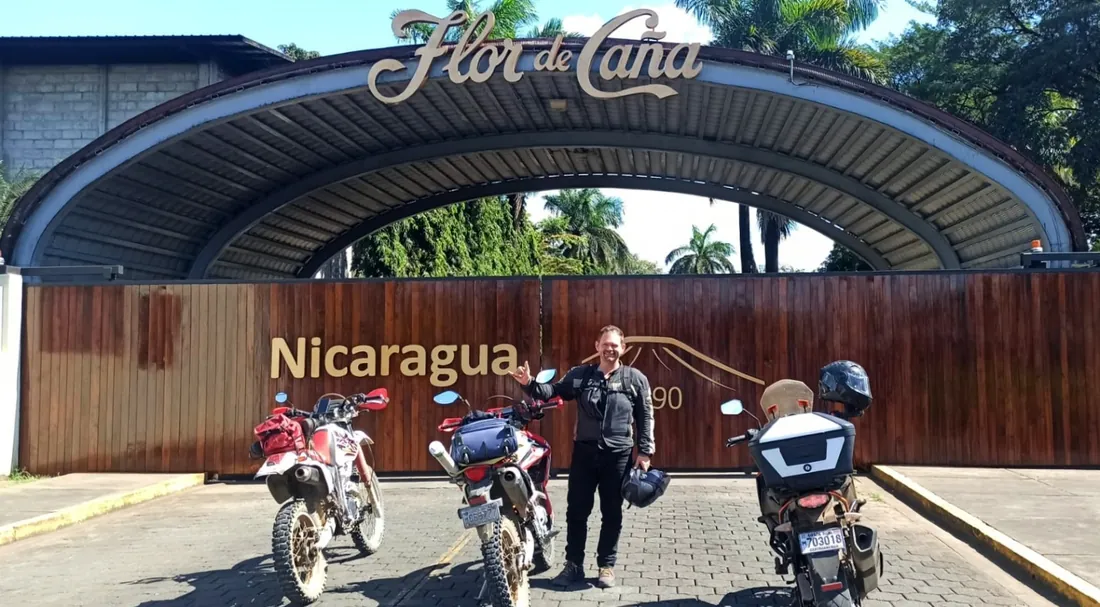
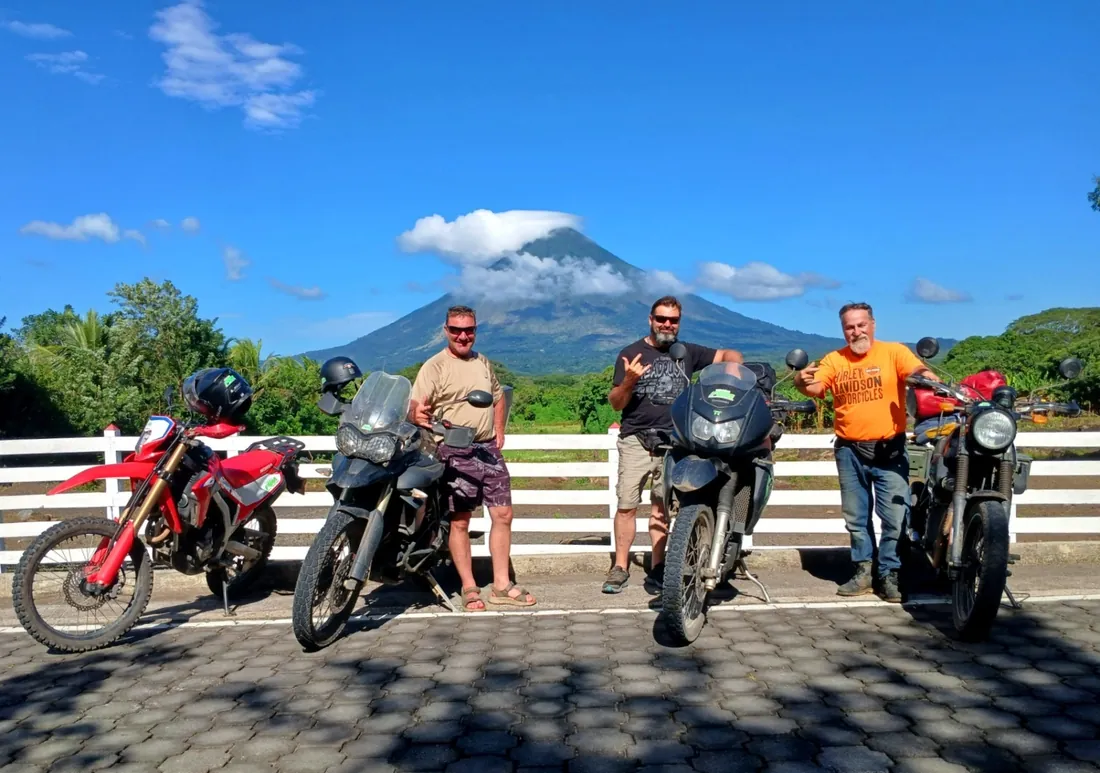
Nicaragua is a few hours' ride from San José, and it is one of the most memorable motorcycle trips in Central America: volcanoes, huge lakes and colonial cities. You still have to cross the border, though. Nothing complicated, but many steps, and one golden rule: leave early. Here is how crossing from Costa Rica to Nicaragua by motorcycle works.
Peñas Blancas, the main border post
Most travelers cross at Peñas Blancas, on the Pan-American Highway, north of Guanacaste. It is the busiest border post between the two countries: trucks, international buses and travelers file through all day long. It opens at 6 a.m. and closes in the evening, earlier on Sundays. Better to arrive early in the morning, before the heat and the buses.
A rental bike doesn't cross on its own
A motorcycle rented in Costa Rica cannot leave the country without its owner's authorization and proper paperwork. At Pura Vida Motorbike, bikes only cross the border with a guide, as part of our Nicaragua and Panamá tours: we prepare the bike's documents, and the guide goes with you to every counter.
The crossing, step by step
On the Costa Rican side, leaving the country:
- You pay the Costa Rica exit tax: about $8 if paid online in advance, a little more on site.
- You get your passport stamped at Costa Rican immigration.
- The bike goes through customs, which records its temporary exit from the country.
On the Nicaraguan side, entering the country:
- The bike goes through fumigation: an officer sprays the wheels, for a few dollars.
- You report to Nicaraguan immigration: passport check and entry fee, about a dozen dollars including municipal fees.
- The bike goes through customs: a temporary import permit is issued for the length of your stay, and Nicaragua's compulsory insurance is taken out.
- Luggage goes through the scanner, then you show all the paperwork on the way out of the post.
On the way back, the same route in reverse: the Nicaraguan exit tax of a few dollars, cancellation of the bike permit, then entry into Costa Rica, where you will be asked for your return flight ticket.
How long does it take?
Often one to two hours each way when all goes well. The crossing can take much longer when several buses arrive at once: that is why we leave early. Bring water, a hat and patience, as part of the wait is outdoors, in the sun.
The papers to carry
- Your passport, in good condition and valid for at least six months after your return date.
- Your return flight ticket: it is requested when re-entering Costa Rica.
- Your motorcycle license, and an international driving permit if you have one.
- US dollars in small bills for the fees: euros are not accepted.
- A pen, and a few photocopies of your passport.
- Depending on your nationality, a form to send to the Nicaraguan authorities before the trip: this is the case for French travelers, according to the French Foreign Ministry. Check the rule that applies to your country.
What to leave behind in Costa Rica
Nicaraguan customs confiscates drones. US authorities also warn that photo and video equipment and binoculars may be seized. Travel light: a phone does the job very well for memories.
Good habits
- Arrive early, before 8 a.m.
- Keep all the bike's papers together: they are checked when leaving the border post, and again on the way back.
- Politely turn down middlemen offering to fill in your forms for a fee. On our tours, the guide takes care of it.
- Check your country's travel advice before leaving: Nicaragua's entry rules change regularly.
Amounts and rules as of October 2026, for guidance only. They change: only the authorities of both countries are authoritative.