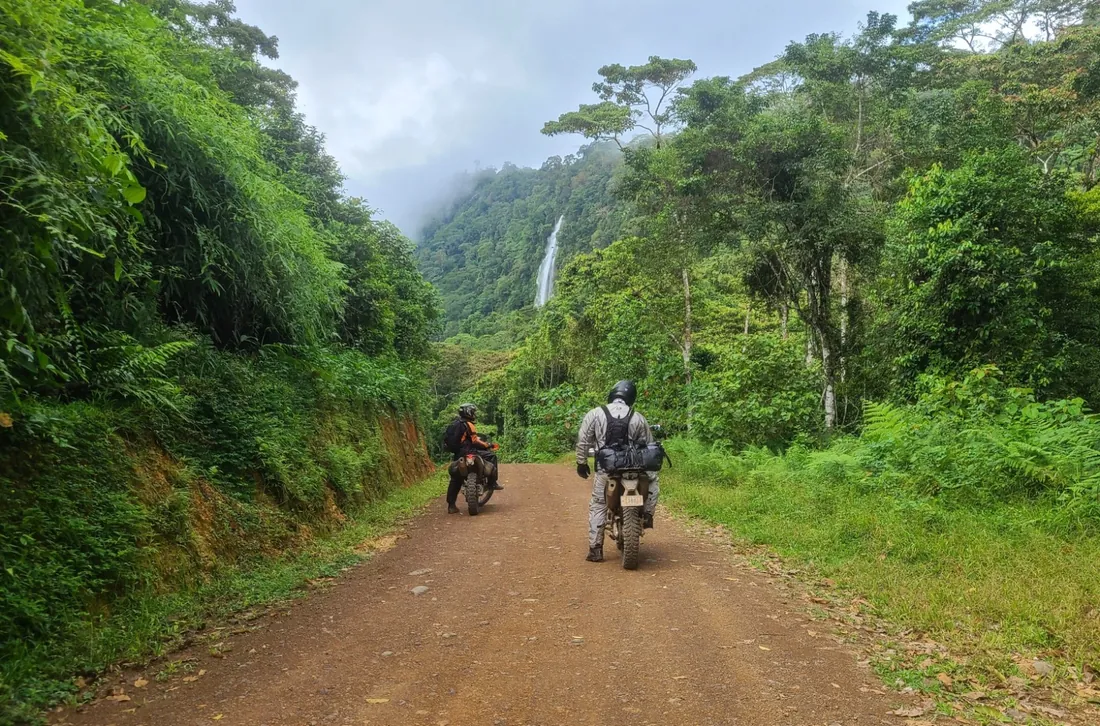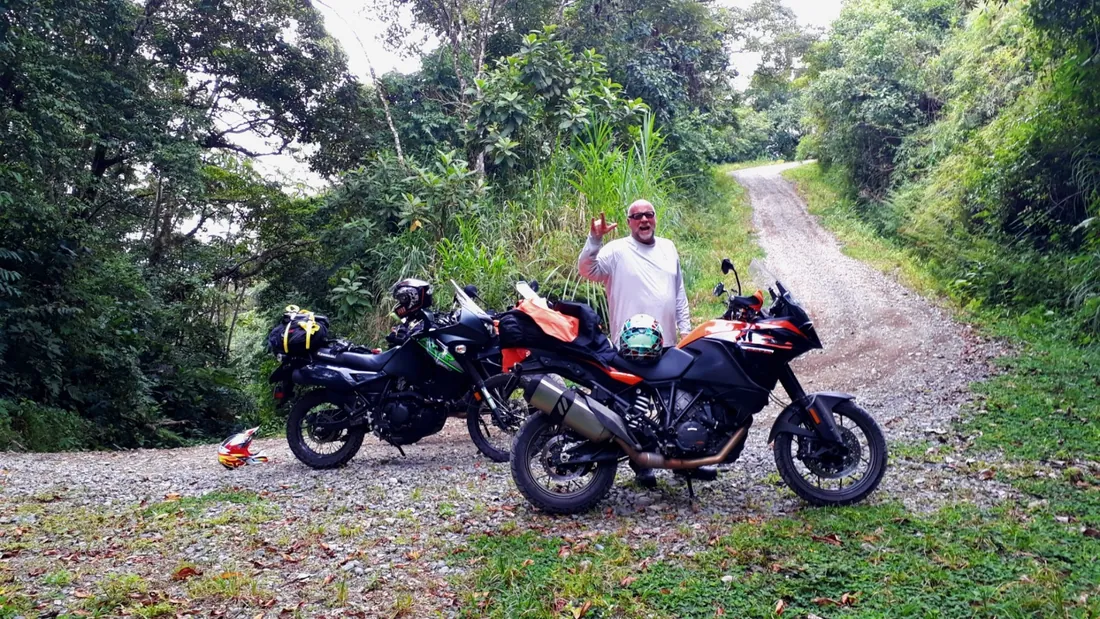
A ferry, dirt tracks, river fords and endless beaches: three days by motorcycle on one of the most beautiful coasts of the Pacific.
Key points
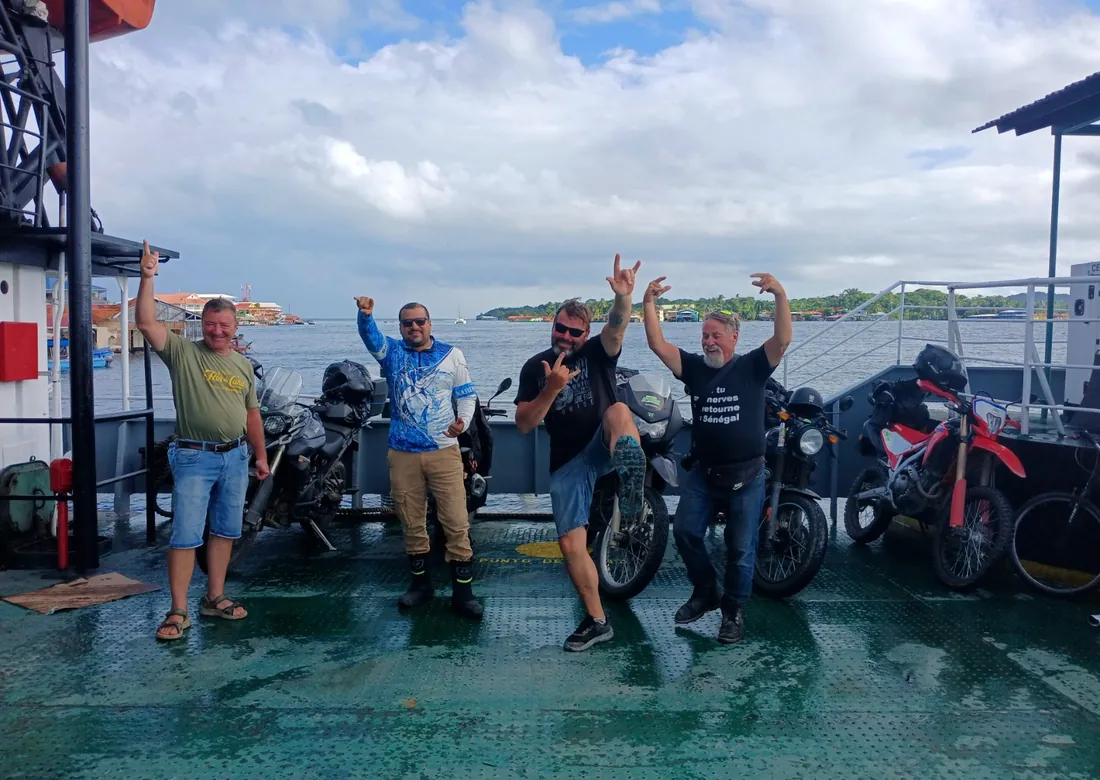
- You reach the peninsula on the Puntarenas-Paquera ferry: about 70 minutes of crossing, bikes on deck.
- Three short stages: Montezuma, Sámara, then the Guanacaste coast.
- River fords are mostly crossed in the dry season; in the green season, we keep a paved alternative.
- Travel light: a nimble bike beats a big tourer on these tracks.
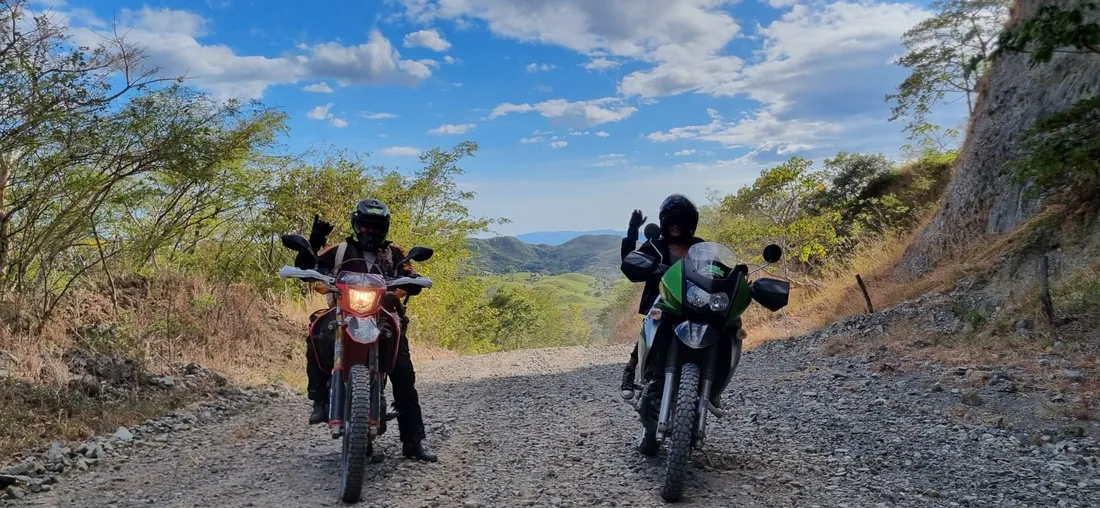
The Nicoya Peninsula is the Costa Rica of your dreams: surf villages, deserted coves, dirt tracks running along the ocean and rivers to cross. It is best explored in three days, at a pace that leaves time for a swim. It is also the heart of the Pura Vida Tour, our grand tour of the country. Here is the itinerary, stage by stage, and what you need to know to ride it.
Getting to the peninsula: the Paquera ferry
From San José, the easiest way is to ride down to Puntarenas, on the Gulf of Nicoya, and board the ferry to Paquera. The crossing takes about 70 minutes, bikes travel on the deck, and departures run from early morning to late evening. Tickets are sold online or at the counter; arrive half an hour before departure, especially on weekends. For a bike, expect less than $10.
Another option, from the north: the Amistad Bridge over the Tempisque River links the peninsula to the rest of the country without a ferry. That is the way the Offroad Tour 7 days leaves it to climb to Monteverde.
Day 1: from Paquera to Montezuma
Some forty kilometers separate Paquera from Montezuma, via Cóbano. Montezuma is a seaside village with a bohemian feel, known for its waterfall, reached by a short walk from the village. A short stage, leaving the afternoon for a swim and the sunset.
Day 2: from Montezuma to Sámara, dirt tracks and river fords
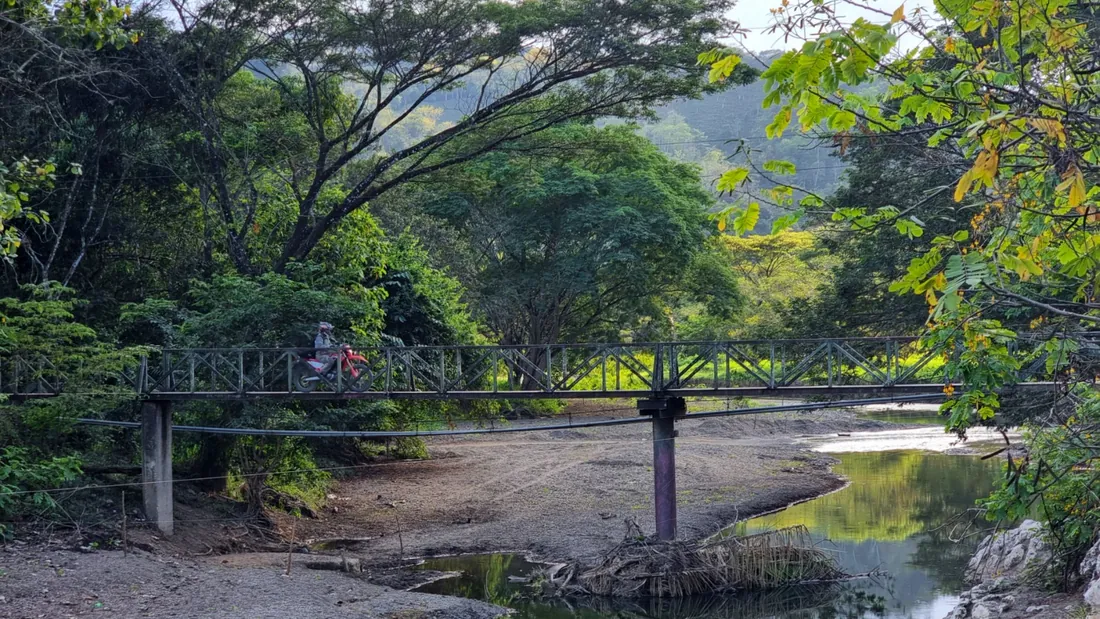
This is the day that made the peninsula's reputation. You reach Santa Teresa and Mal País, surf villages set on miles of sand, then head north on inland dirt tracks to San Francisco de Coyote, and from there to Sámara. Few kilometers, but lots of dirt, hills, hardly any villages and several rivers to cross. On the Pura Vida Tour, this is the stage where dirt rules.
There are two possible routes. Via Betel and Bajos de Ario, you cross three rivers, including the Bongo, the widest, which can only be forded from January to April. Via Río Frío, from Cóbano, you cross five shallower rivers, passable most of the year, and a concrete bridge spans the Bongo. In the heart of the rainy season, the only reliable link between the south and north of the peninsula is the paved road along the gulf, via Paquera and Nicoya.
GPS is not always your friend here: apps readily suggest dead-end tracks. On our tours, the guide knows the crossings and their condition depending on the season.
Day 3: from Sámara to the Guanacaste coast
Sámara is a large sheltered bay, ideal for a quiet swim. You then head up the coast by the inland route and its easy dirt roads, with beach stops along the way, to Tamarindo and its sunset over the Pacific. Dirt lovers can detour via Nosara, wilder, after checking the state of the fords.
From there, two options: head back to San José over the Amistad Bridge, or carry on to the Arenal volcano, as the Pura Vida Tour does.
These three days are the heart of our grand tour of the country. See the Pura Vida Tour
When to ride the Nicoya Peninsula?
The dry season, from December to April, is the easiest: fords are low, tracks dusty but rideable. Guanacaste is the driest region in the country and keeps the good weather a few weeks longer than the rest of Costa Rica. In the green season, the peninsula is still beautiful, but some rivers become impassable: we adapt the route and keep the asphalt as plan B.
Which bike for Nicoya?
Here, lightness pays off: a light or mid-size adventure bike goes anywhere effortlessly. Big adventure bikes suit riders already comfortable on dirt. To choose, see our article: