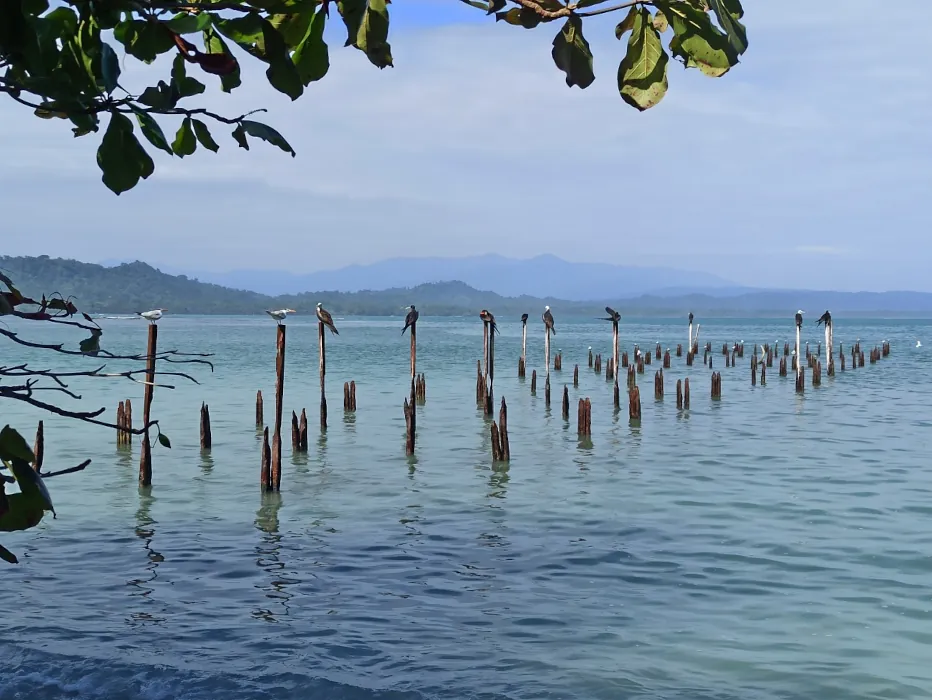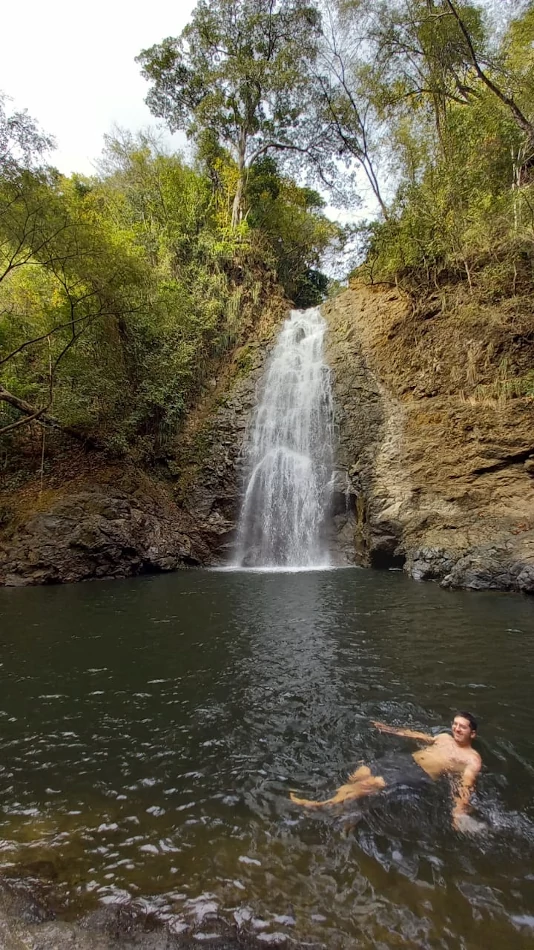
Surrounded by wetlands, rivers and the Caribbean Sea, Tortuguero is an uncommon place in Costa Rica. This area is still a mystery for both locals and foreigners.
Key points
- Most of the area is protected, with Tortuguero National Park and the Barra del Colorado natural reserve.
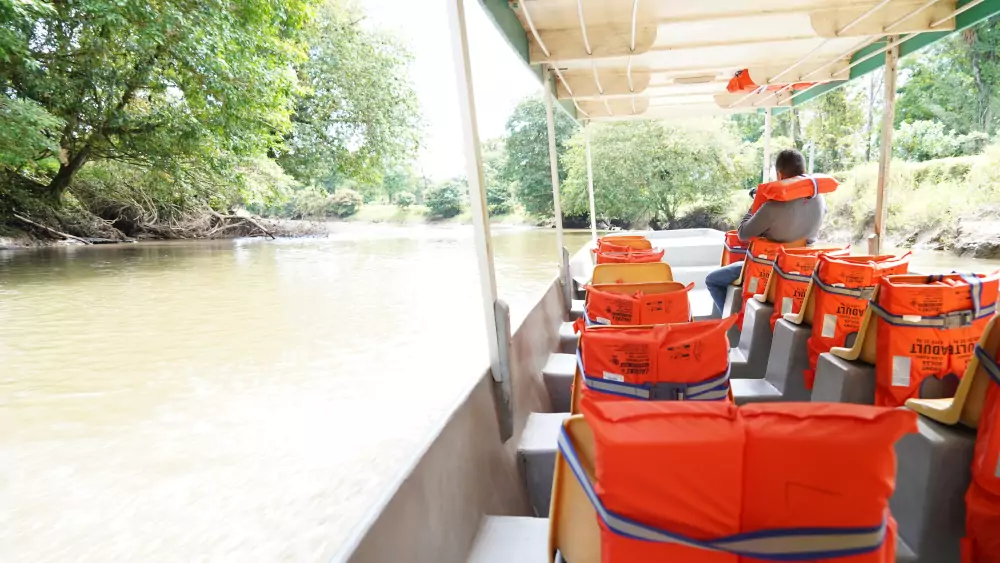
- The canals are the main “roads”: hundreds of boats replace buses, trucks and cars.
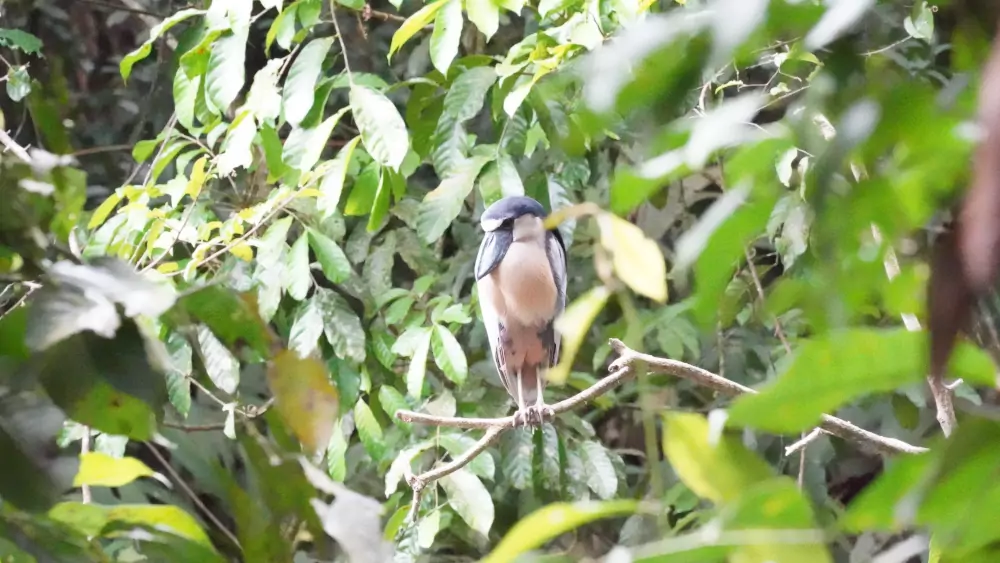
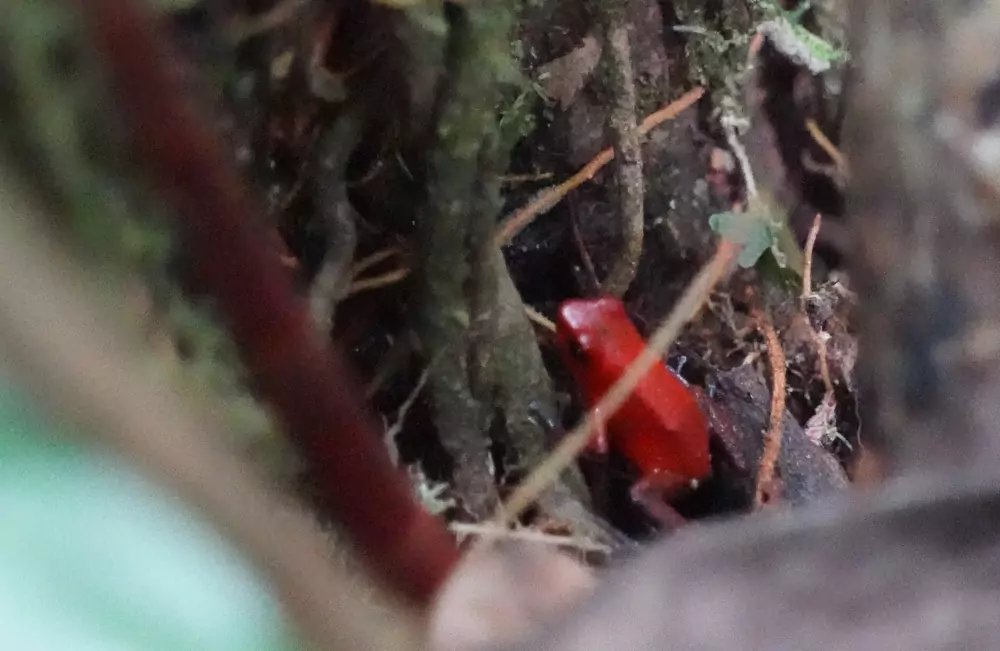
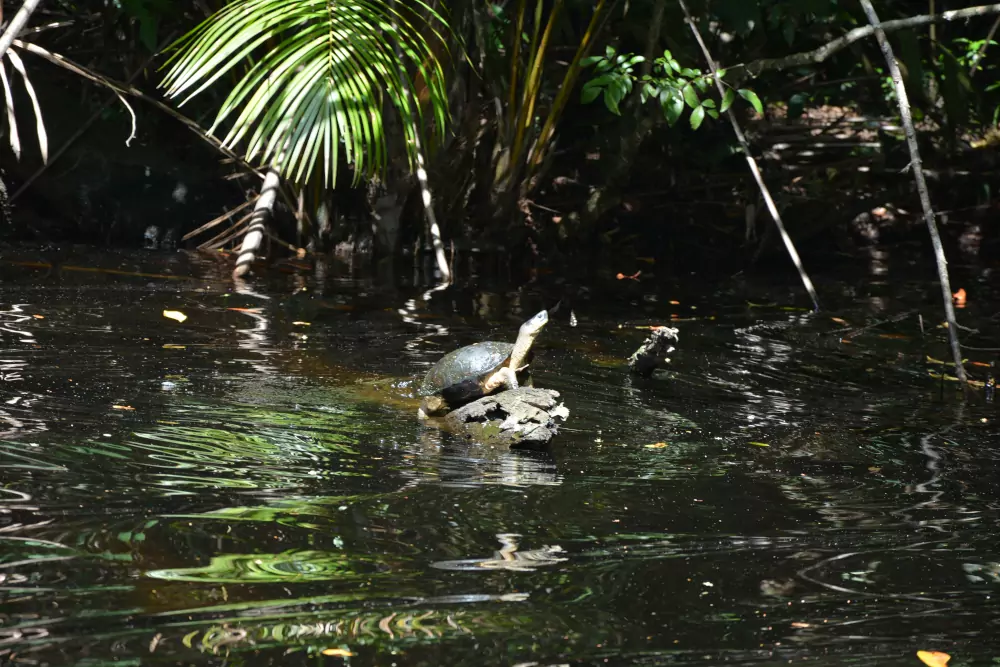
- On a photo tour of the canals with a local expert: iguanas, crocodiles, basilisks, river turtles, frogs, toucans and hawks.
- Carey and Baula turtles nest on its beaches; local guides take visitors to watch them without disturbing them.
- Tortuguero shows that a sustainable way of life for humans can go hand in hand with conservation.
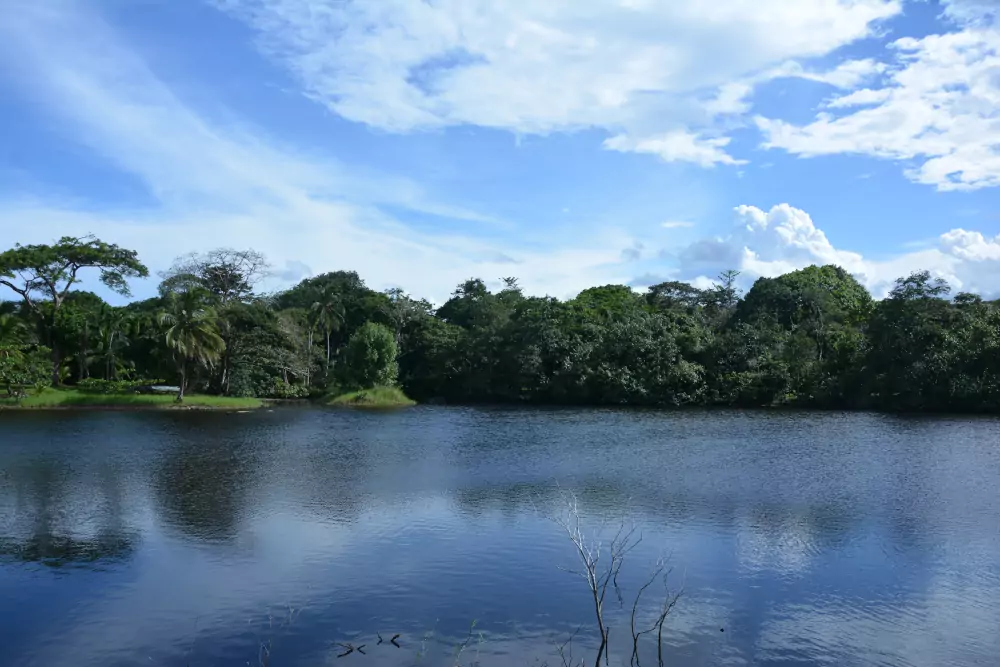
Located in a land of contrast, Tortuguero is an uncommon place in Costa Rica. Surrounded by wetlands, rivers and the Caribbean Sea, this area is still a mystery for both locals and foreigners. Because of the swamps and marshes, it is really hard to find land suitable for sustainable human living. Scientists believe there are still a lot of flora and fauna species to be discovered in Tortuguero.
Also, the government declared most of the zone a protected area, with one national park, Tortuguero, and a natural reserve, Barra del Colorado. This makes it almost impossible to build anything in the area without meeting the huge list of requirements the government sets to keep the area from contamination.
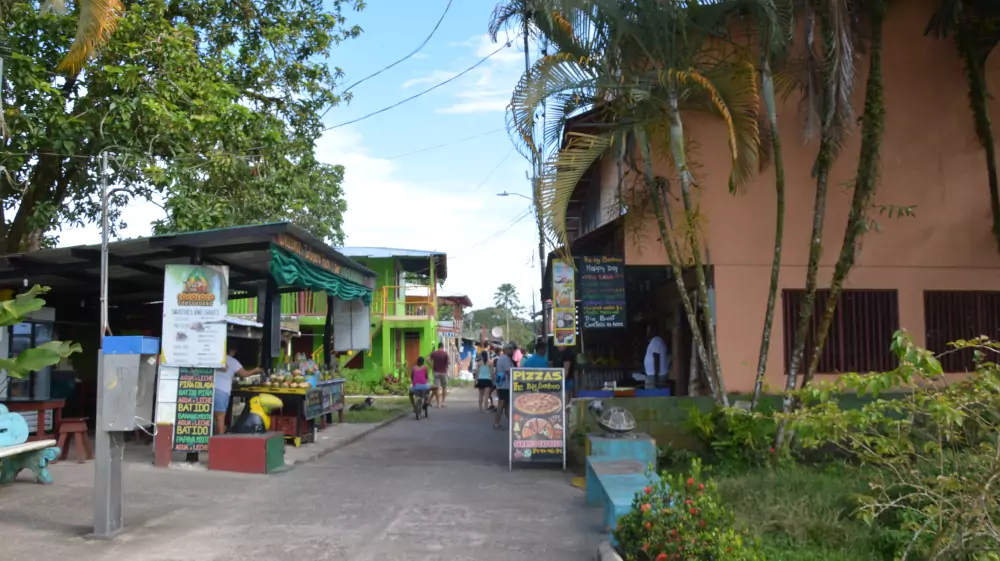
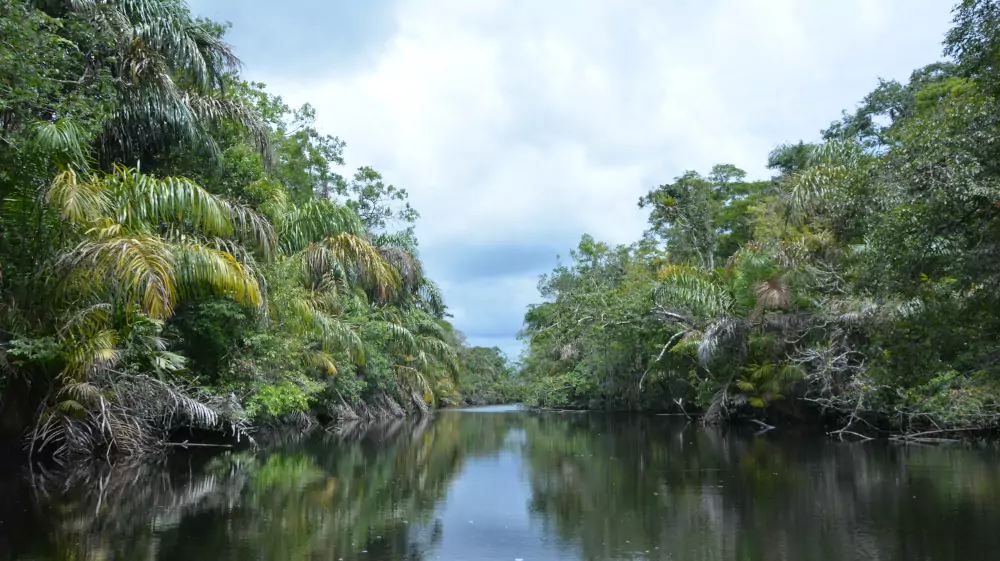
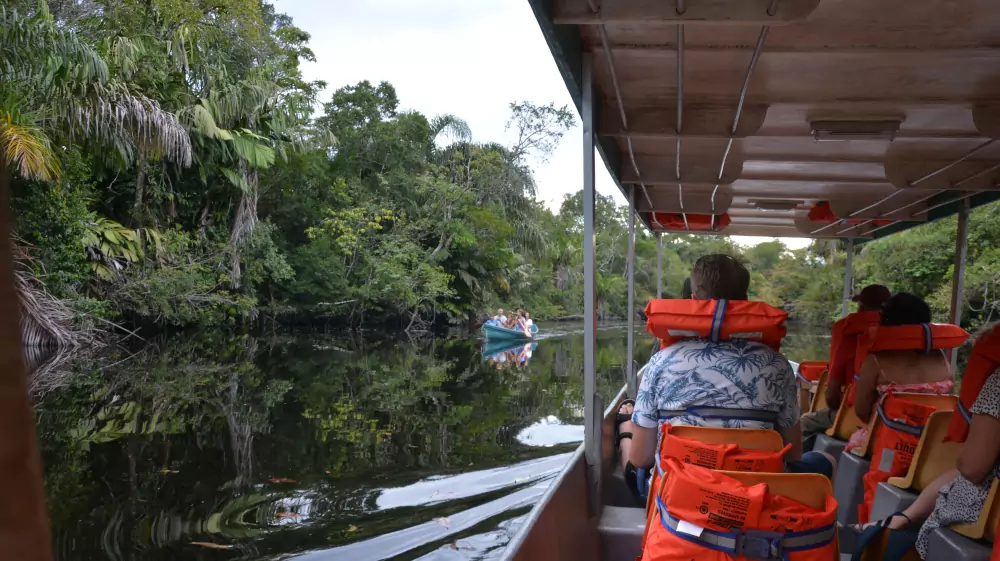
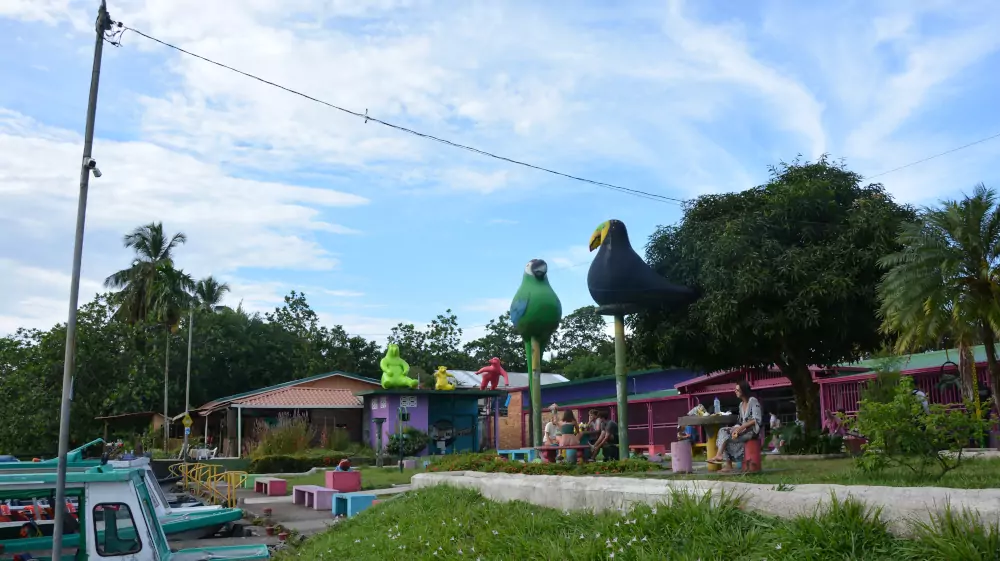
The Suerte and Colorado rivers divide into dozens of canals a few kilometers inland. These canals run north to south and east to west, and they are the main “roads” there. Hundreds of boats travel around all day and replace buses, trucks and cars as the main way of getting around between the few villages and hotels.
Reasons to visit Tortuguero
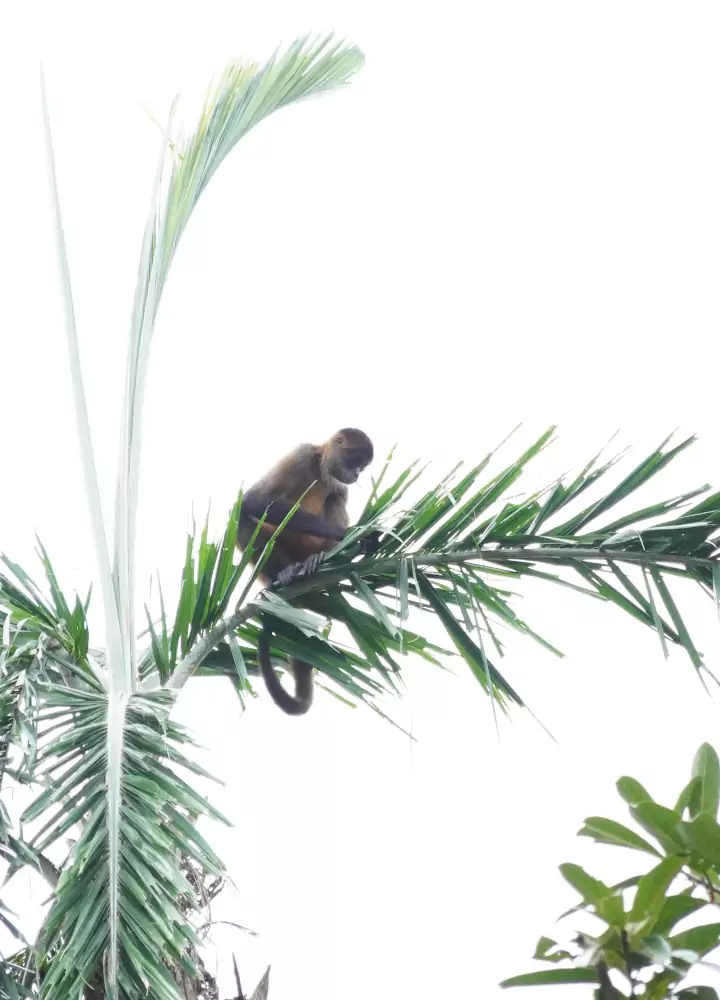
Sounds troublesome. Why go there? Because Tortuguero is unique not only in Costa Rica but in the world! Thousands of birds, mammals, lizards and amphibians make their home there. This is why countries like Canada and Spain have scientific stations at some strategic points.
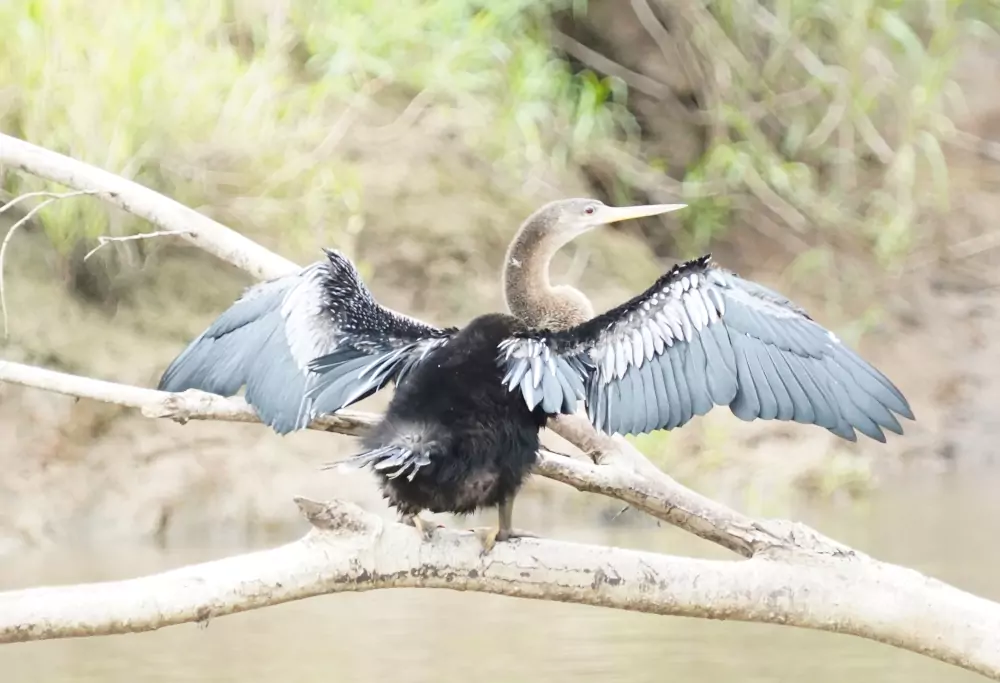
Take your camera and go on a photo tour: an expert in the area will take you on a quiet trip around the canals, and you'll see iguanas, crocodiles, basilisks (lizards), river turtles, frogs of all kinds, toucans, hawks, etc. If you are “lucky” enough, maybe a black panther or a jaguar.
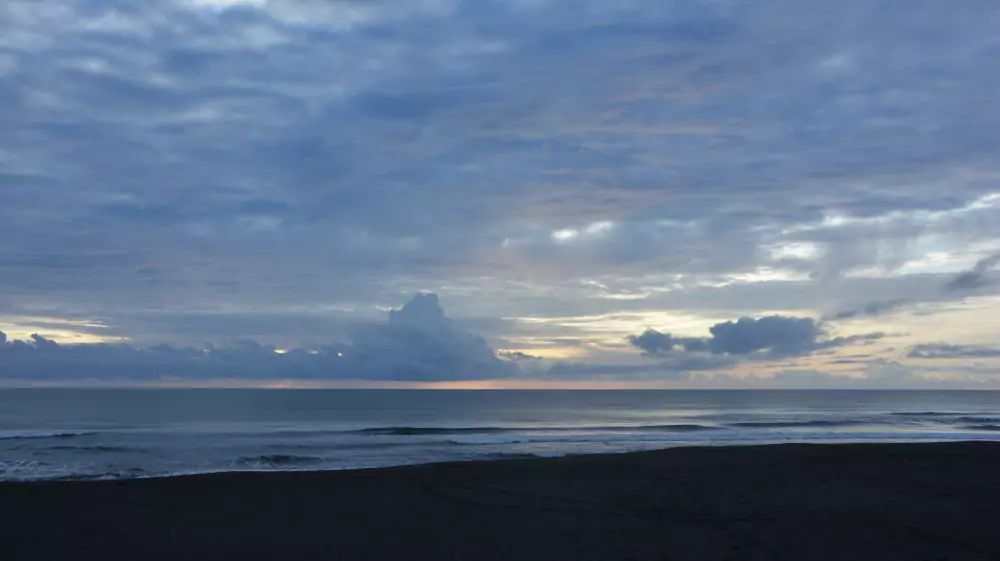
This is just a glimpse of what you can find in the marshes and mangroves. Then come the beautiful beaches, the favorite nesting place of sea turtles!
Sustainable Ecotourism
Carey and Baula turtles love these Costa Rican beaches to lay their eggs. Both turtle species were in real danger, as people dug up the eggs to sell them to restaurants. Turtle eggs are still considered a delicacy today.
The government then had two issues to solve here: protect the turtles and the flora and fauna of Tortuguero, and give the locals ways to earn an income.
Since then, some permits have been granted to build hotels in the area and create jobs. Tortuguero National Park was created, and local guides can take tourists to watch the turtles nesting, with the right equipment and methods so as not to disturb them. Fishing is still allowed both in the rivers and in the sea, but it is monitored by the authorities.
Tortuguero is an example to the world that a sustainable way of living for humans is possible, compatible with the conservation of the animals and plants we share this world with.
Photos